Garage Door Repair for a Damaged Bottom Seal in Los Angeles
A deteriorated garage door bottom seal can allow rainwater, dust, insects, and outside air into your garage. In Los Angeles, this issue is easy to overlook because the region has long, dry periods. However, seasonal winter rain can send runoff across the driveway and under an improperly sealed door. A worn bottom rubber seal may also admit debris during Santa Ana winds or allow small pests to enter.
Replacing or repairing the seal is often a relatively easy form of garage door repair, but the condition of the door, retainer, track, panels, and opener should also be evaluated. This guide explains how to assess a damaged seal, carry out a basic replacement, understand local pricing, and decide when professional help is the safer choice.
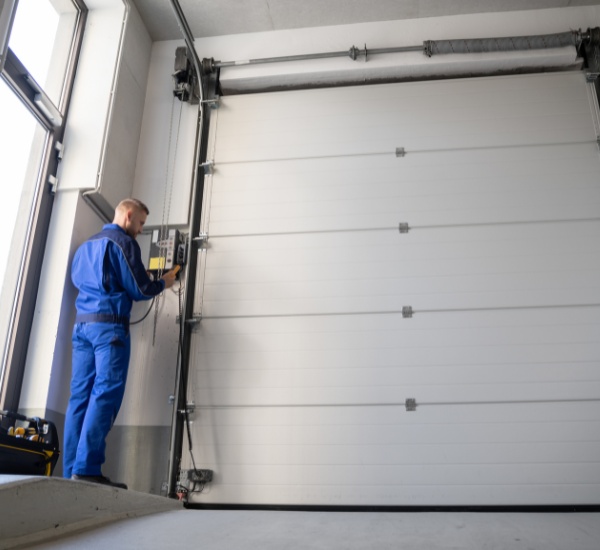
What a Garage Door Bottom Seal Works
The bottom seal is a bendable strip attached to the bottom edge of an overhead garage door. It rests against the garage floor when the door closes, creating a shield against rainwater and debris, wind, dust, rodents, and insects. Common materials include rubber and vinyl, so you may know it as a vinyl garage door seal, vinyl seal, weather seal, or bottom rubber seal.
The seal usually fits into a metal or aluminum seal retainer. Some doors use a retainer with a built-in channel, while others use a U-shaped holder fastened to the lower garage door panel. The correct replacement must fit the retainer profile and width. A seal that is too narrow may slip free, while one that is too thick can keep the door from closing properly.
Bottom-seal weather sealing works together with the door threshold. The threshold is secured to the floor and can help close small gaps where the floor is uneven. It should not be used to make up for a badly worn seal or a door that is out of alignment. If the bottom edge does not contact the threshold evenly, the issue may involve the door alignment, track, rollers, or damaged panels.
Los Angeles homeowners are helped by keeping this barrier in good condition. The Mediterranean climate brings extended dry weather but also seasonal winter rain. A properly fitted seal helps keep runoff, dust, and windblown debris out of the garage, protecting stored belongings and limiting moisture near the bottom of the door.
Warning Signs Your Garage Door Seal Requires Repair
A quick examination can identify many seal problems. Close the door during daylight and look along the bottom edge from inside the garage. Visible light, uneven contact, cracking, or sections that curl away from the floor are signs that the seal may need attention.
- Water intrusion: Puddles, damp marks, or a trail of dirt beneath the door after rain can indicate a failed weather seal, an uneven garage floor, or a damaged threshold.
- Drafts: Noticeable drafts and air gaps along the bottom edge may make the garage hotter in summer and allow dust to enter.
- Pest-related concerns: Rodents and insects can use even a small opening to get inside, especially if food, cardboard, or stored materials are kept in the garage.
- Brittleness or cracking: Rubber and vinyl become brittle after prolonged weather exposure, heat, and age.
- Loose sections: A seal that has pulled out of its retainer may bunch up instead of forming a continuous barrier.
- Door operation problems: If the door reverses, binds, or closes unevenly after a seal replacement, the seal may be incorrectly sized or the door may need adjustment.
Inspect the lower bottom garage door panel as well. Dents, rust, rot, or a bent bottom edge can prevent a new seal from sitting flat. A seal alone will not correct a severely damaged panel or a door that is no longer square in its opening.
Coastal areas such as Santa Monica, Venice, and Long Beach deserve particular attention. Salt air and moisture can accelerate corrosion on metal seal retainers, tracks, fasteners, and other hardware. In San Fernando Valley communities including Van Nuys, North Hollywood, and Woodland Hills, hotter summers can dry, shrink, or harden rubber and vinyl seals more quickly.
How to Repair or Replace a Garage Door Bottom Seal
Begin by identifying how the existing seal is installed. Some systems let the old seal to slide out of the seal retainer after the door is raised. Others need removing end screws or loosening the retainer. Measure the old seal, the retainer opening, and the full width of the door before buying a replacement.
Use a measuring tape to measure the door width rather than depending only on the old seal, which may have shrunk. Check the number of channels in the retainer and compare the profile of the new product. A replacement designed for a different channel may not remain secure.
Before working, disconnect the automatic garage door opener from electrical power and disengage the trolley only if necessary. Raise the door to a convenient working height and secure it according to the manufacturer’s instructions. Do not remove brackets, cables, rollers, or spring hardware during a seal replacement.
Tools and Materials for a Bottom Seal Replacement
A basic project may need the following:
- A properly sized replacement seal, such as a flexible vinyl garage door seal
- A tape measure
- A utility knife for trimming the material
- Work gloves to protect your hands from sharp retainers and fasteners
- Silicone lubricant to help the seal slide through the channel
- A screwdriver, nut driver, or drill that fits the retainer screws
- Cleaning cloths and gentle cleaner
- A sturdy step platform, if needed, placed away from moving parts of the door
Do not use oil-based products on vinyl or rubber unless the product manufacturer specifically approves them. Silicone lubricant is generally more suitable for simplifying installation without leaving a residue that attracts excessive dust.
Detailed Bottom Seal Installation
- Inspect the door: Look for a bent retainer, rust, loose screws, damaged panel, or obvious door alignment problem. Repair those conditions before installing the new seal.
- Measure the opening: Record the garage door height and width, then measure the old seal and the seal channel. Purchase a seal that matches the retainer design.
- Open and secure the door: Raise the door enough to reach the bottom edge with ease. Disconnect the opener and prevent the door from moving unexpectedly.
- Remove the old material: Pull the worn seal from the channel. If it is stuck, cut it into smaller sections with a utility knife. Avoid damaging the retainer or the lower panel.
- Clean the channel: Remove dirt, hardened rubber, and corrosion. If the retainer is badly rusted or bent, replacement may be more effective than trying to push a new seal into it.
- Prepare the new seal: Cut the replacement seal slightly longer than the door width. Apply a small amount of silicone lubricant to the edges that slide into the channel.
- Slide it into place: Feed the seal through the channel a little at a time. Keep the material straight and avoid twisting it. An extra person can help support a lengthy seal.
- Secure the ends: Trim the excess only after the seal is centered. Reinstall end screws or retaining hardware as appropriate.
- Test the door: Reconnect the opener and close the door. Check that the seal contacts the garage floor evenly without folding, dragging, or leaving gaps.
- Check safety: Test the opener’s reverse function using the manufacturer’s recommended method. If the door binds or reverses unexpectedly, stop using it until the cause is identified.
The garage floor may not be perfectly level, particularly in older Los Angeles homes. A threshold can help with small uneven areas, but a large gap on one side may indicate a track, roller, cable, spring, or structural problem. Do not force the door downward to compress an incorrectly installed seal.
When to Call a Garage door repair Professional
Bottom-seal work is usually distinct from high-tensioned components, but a garage door can still be dangerous. Call a professional if the door is weighty, uneven, stuck, or difficult https://expertgaragesolutions1-101-101-10.cavandoragh.org/garage-door-repair-in-los-angeles-ca-what-to-know to lift manually. A failing garage door spring, broken cable, damaged track, or loose bracket can cause the door to fall or move erratically.
Do not attempt to repair or replace a broken spring without the right training and equipment. A broken spring can create a serious injury risk, and the garage door opener may continue trying to lift a door that is too heavy. A local technician can conduct a safety inspection, check the balance, and determine whether the bottom seal is actually the real concern.
Professional help is also warranted when:
- The seal retainer is badly corroded or detached.
- The garage door track is bent, loose, or misaligned.
- The bottom garage door panel is fractured, bent, or coming away from the frame.
- The door will not close evenly after seal installation.
- The opener keeps reversing or fails to respond.
- A broken spring or broken cable is clearly seen.
Garage door safety should be more important than saving the cost of a service call. A professional can repair the seal while detecting related issues that could cause more expensive damage later.
Garage Door Repair Pricing in Los Angeles
The garage door repair cost for a bottom seal is determined by whether the job involves only replacement material or also requires a new retainer, threshold, panel repair, track adjustment, or other labor. Garage door repair pricing in Los Angeles is affected by door size, seal type, access, urgency, and the condition of the existing hardware.
Confirm whether the quote includes materials, labor costs, disposal of the old seal, testing, and any service call fee. A company may charge a service call separately, particularly for evening, weekend, or emergency visits. Ask for local pricing in writing before approving additional work.
More serious repairs have different cost factors. A garage door spring cost is influenced by spring type, door weight, the number of springs, and whether related hardware must be replaced. A damaged panel may cost substantially more than a seal, while a complete door involves installation, insulation, design, and disposal considerations.
How Seal Repair Compares With Panel or Door Replacement
Replacing a bottom seal is generally a maintenance repair, not a reason to replace the entire door. If the garage door panel is structurally sound and the retainer is usable, a new seal can restore weather protection at a relatively limited cost.
EM Garage Doors And Gate Service Inc19629 Cantara St, Reseda, CA 91335
(818) 919-0785
https://emgaragedoorsandgateservice.com/
https://maps.app.goo.gl/XujLWxA4pAQKARQT8
34.2193569, -118.5613022
Panel replacement may make sense when one section has major impact damage, severe rust, or broken insulation. However, matching the color, texture, window design, and manufacturer can affect both availability and price. If several panels are damaged or the door has repeated mechanical problems, compare repair costs with the garage door replacement cost.
Homeowners often search for “2 car garage door replacement cost” or “two car garage door replacement cost.” A two-car door is typically wider and heavier than a single-car door, so material, spring, opener, labor, and installation requirements may be higher. Request a complete written estimate rather than comparing only the door price. In some homes, two single doors may be a better long-term option than one wide door, depending on the opening and existing structure.
Related Garage Door Service Costs to Ask About
If the technician finds broader concerns, ask for distinct estimates for each recommendation. Related services may include door opener repair, track adjustment, spring replacement, replacement of a panel, or a new door threshold. If you are looking into garage door opener installation cost, confirm whether the quote includes the opener, mounting hardware, programming, removal of the old unit, and safety testing.
Searches for “garage door spring replacement near me” and “garage door repair near me” can produce both established companies and independent providers. Verify what is provided in the estimate, especially for an overhead garage door with a heavily insulated construction. The lowest listed cost may not include the service call, parts, or after-hours labor.
How to Choose Garage Door Repair Near Me in Los Angeles
Hire a qualified garage door contractor with a proven track record repairing the type of overhead garage door in place at your home. Ask for the contractor’s California license information and check it through the California Contractors State License Board. Licensing does not replace careful research, but it offers reassurance that the provider is operating within state requirements.
Prior to booking, ask these questions:
- Is the quote for a bottom seal, retainer, threshold, or additional repairs?
- Does the price include labor, materials, and the service call fee?
- Is same-day service available, and does same-day service carry an additional fee?
- Will the technician inspect the springs, cables, tracks, rollers, and opener?
- What warranty applies to the replacement seal and workmanship?
- Will you receive a written estimate before work begins?
Same-day service can be valuable after storm runoff, a pest problem, or an urgent door failure, but confirm same-day repair fees before dispatch. A reputable local technician should describe whether the damage is limited to weatherstripping or connected to door balance and mechanical components.
Pricing can differ between coastal neighborhoods, the San Fernando Valley, and other Los Angeles communities because of travel time, parking, access, and demand. A written estimate helps you evaluate local providers on the same scope of work rather than deciding based on a vague advertised price.
Preventing Future Bottom Seal Damage
Consistent garage door upkeep can lengthen the service life of the seal and reveal problems early. Remove dirt from the bottom edge and check the rubber or vinyl a few times each year. Look for surface cracks, contraction, flattening, and separation from the retainer.
Los Angeles weather causes different stresses in different areas. Coastal weather exposure in Santa Monica, Venice, and Long Beach can lead to corrosion because of salt air and moisture. In Van Nuys, North Hollywood, and Woodland Hills, intense summer heat can harden or reduce the size of the seal. A light cleaning and sometimes recommended manufacturer-approved silicone treatment may help, but change material that has become brittle.
Inspect the garage door balance during scheduled maintenance. With the opener disconnected, a properly balanced door should move smoothly and remain near the middle of its travel when lifted carefully. Never adjust spring tension yourself. If the door feels unusually heavy or drops rapidly, arrange a professional inspection.
An annual inspection should include the seal, threshold, retainer, rollers, tracks, cables, springs, hinges, fasteners, and opener safety features. Keep the garage floor and threshold clear of gravel and buildup that can damage the seal. Address small gaps promptly before water intrusion damages stored belongings or the lower door panel.
Frequently Asked Questions
How do I know whether my garage door bottom seal needs repair or replacement?
A seal may need repair if it has simply shifted from the retainer or if a fastener has loosened. Replacement is usually better when the bottom rubber seal is split, hardened, flattened, shrunken, or missing sections. If the retainer or garage door panel is bent, a professional should evaluate the complete assembly before fitting a new seal.
How much does garage door repair cost for a bottom seal in Los Angeles?
Garage door repair pricing depends on the door width, seal design, labor costs, access, retainer condition, and whether the visit includes a service call fee. Ask for a written estimate that separates the replacement material, labor, inspection, and any additional threshold or retainer work. Same-day repair or after-hours service may add to the total.
Can I change an overhead garage door bottom seal myself?
A lot of homeowners can install a compatible seal if the retainer is sound and the door operates properly. You will need the right replacement seal, measuring tape, utility knife, silicone lubricant, and work gloves. Unplug the opener, stabilize the door, and avoid springs, cables, and brackets. Stop and call a professional if the door is unbalanced, stuck, crooked, or mechanically damaged.
Why is water coming under my garage door after replacing the seal?
Water leaks may continue if the seal is the wrong size, twisted, not fully seated in the seal channel, or failing to contact an uneven garage floor. The threshold may be damaged or incorrectly positioned, or water may be entering from the sides, walls, driveway slope, or garage door track area. A professional repair can determine whether the issue is installation, drainage, alignment, or structural damage.
When should I call a professional for garage door repair near me?
Call a professional repair provider when the door has a broken spring, broken cable, bent track, damaged panel, unsafe opener behavior, or severe door alignment problem. Professional repair is also recommended when the seal replacement does not resolve gaps or water intrusion. Choose a licensed garage door contractor, confirm same-day service fees if applicable, and obtain a written estimate before work begins.